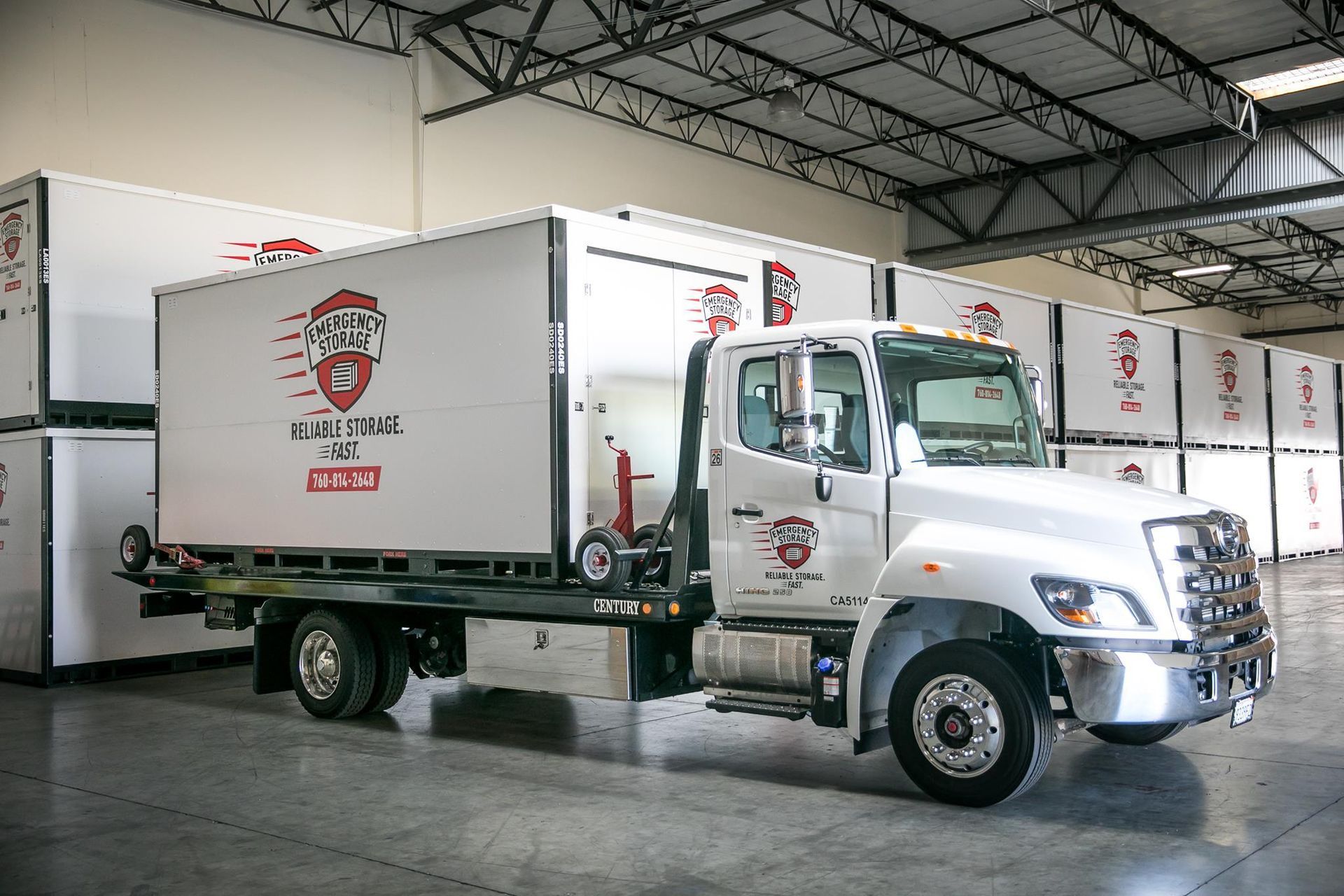
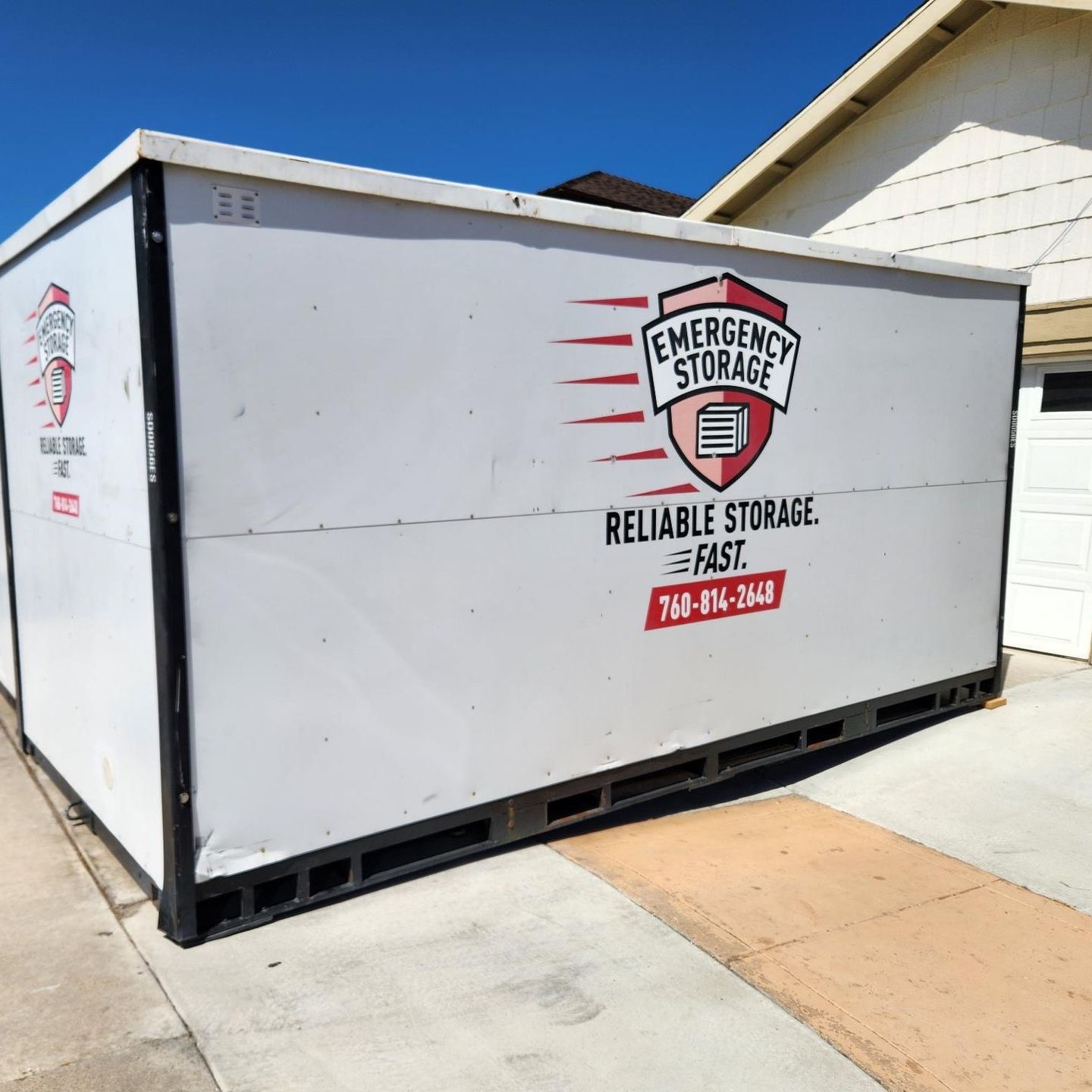
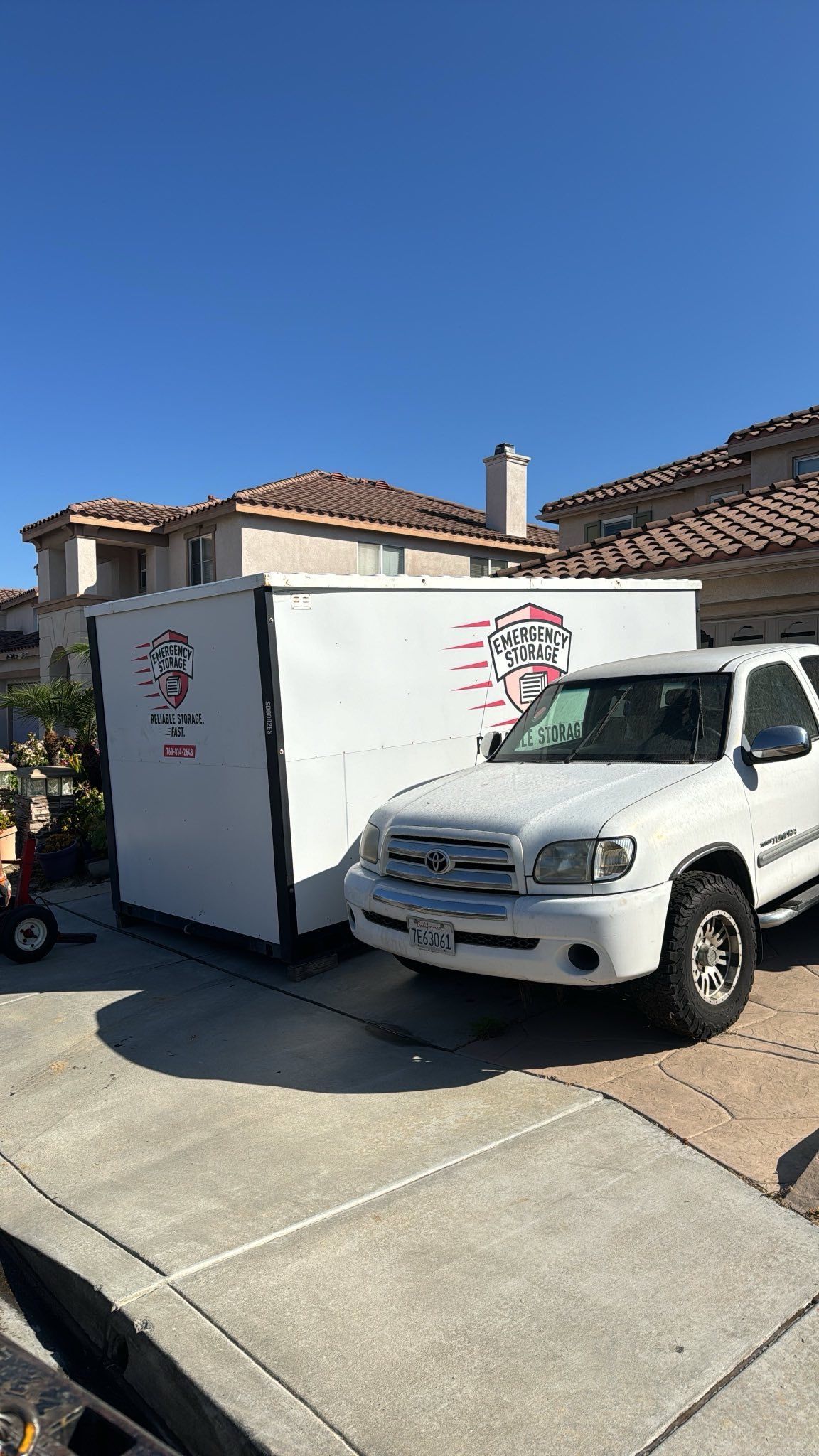
Emergencies in restoration contracting are unpredictable and demand immediate attention. Picture a sudden water leak in a bustling office that could halt operations if not addressed swiftly. In these critical moments, 24/7 emergency response storage solutions are indispensable. The Importance of Quick and Accessible Storage Solutions When disaster hits, acting quickly is vital. The longer a crisis is left unresolved, the more damage it causes and the more expensive it becomes. Restoration contractors understand the importance of acting fast to manage these situations. Having easy access to storage solutions can be a game changer, enabling teams to swiftly remove and store items that could be at risk of damage. This approach not only minimizes potential losses but also speeds up the recovery process. Another major advantage is improved workflow. With quick storage options, contractors can organize their tasks more effectively. They can swiftly secure clients' belongings, allowing them to focus on the main job restoration. This streamlined process cuts down on delays, helping projects to run smoothly and on schedule. Additionally, having fast and dependable storage solutions boosts client trust. When contractors promise quick responses and follow through, it strengthens their credibility and reputation. Clients are more inclined to recommend a contractor who manages emergencies with skill and promptness. Real Benefits from Emergency Storage's 24/7 Response Capabilities Imagine a scenario where a restoration contractor gets an emergency call about a burst pipe in a residential building late at night. Thanks to Emergency Storage's round-the-clock service, they quickly arranged for a durable, weather-proof container to be delivered to the site. Within hours, the contractor stored the affected items safely, preventing further damage and allowing them to concentrate on fixing the pipe. The client was not only relieved but also impressed by the contractor's fast and efficient response. In another case, a contractor working on a fire-damaged commercial property benefited from Emergency Storage's smart placement of units. By using Google Earth, they pinpointed the best spot for the containers, ensuring easy access for the restoration team. This careful planning enabled the contractor to move items smoothly, cutting down the time needed to finish the project. A Great Partnership: Restoration Contractors and Emergency Storage Companies In the ever-changing world of restoration work, it's important to have a trustworthy partner for emergency storage. Emergency Storage's round-the-clock services allow contractors to respond quickly and efficiently to any challenge, boosting their operations and client satisfaction. As the restoration industry grows, new storage solutions will be key in shaping its future, giving contractors the resources to excel with assurance and trustworthiness. For those in restoration aiming to improve their emergency response plans, teaming up with a dependable storage provider like Emergency Storage is not just wise, it's necessary. FAQ 1: How do 24/7 emergency storage solutions ensure operational continuity for restoration contractors? Round-the-clock emergency storage gives restoration contractors immediate access to important tools and supplies, no matter the hour. This quick access allows them to respond to emergencies right away, reducing delays and ensuring projects stay on schedule. FAQ 2: In what ways do emergency storage solutions enhance client trust for restoration contractors? Using dependable 24/7 emergency storage shows a contractor's dedication to quick and effective service, which can significantly boost client confidence. Clients feel secure knowing their contractor can handle urgent situations promptly and smoothly, lessening the effects of any unexpected issues.

Quick, Affordable, and Secure emergency storage in Los Angeles. Learn the key factors for choosing the right emergency storage service for your needs
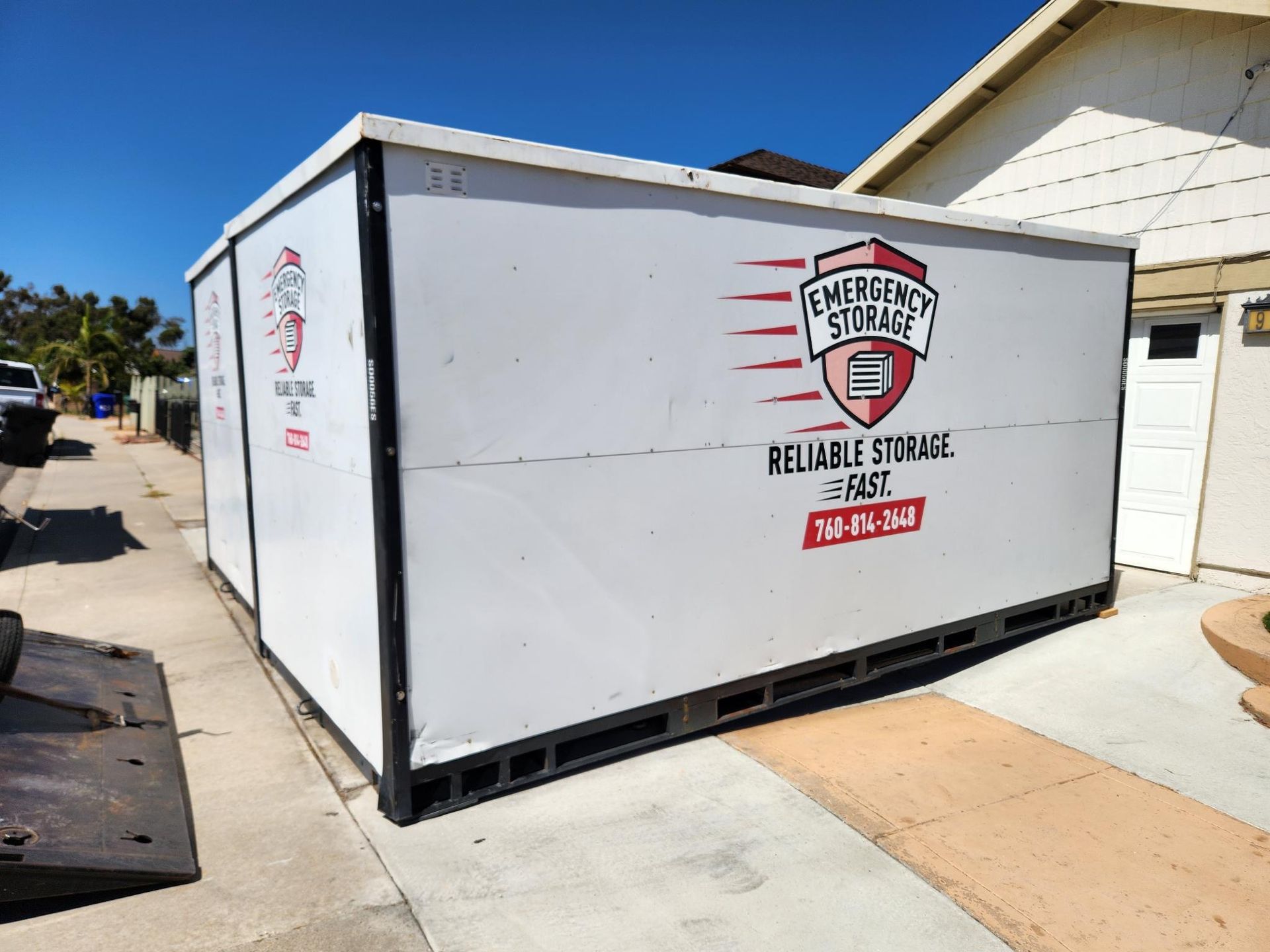
Fast, Secure, and Reliable emergency storage in San Diego. Learn key factors for choosing the right provider to protect your valuables during recovery.

Learn how emergency storage solutions support disaster recovery with secure, compassionate services. Real-life stories of resilience and trust-building.
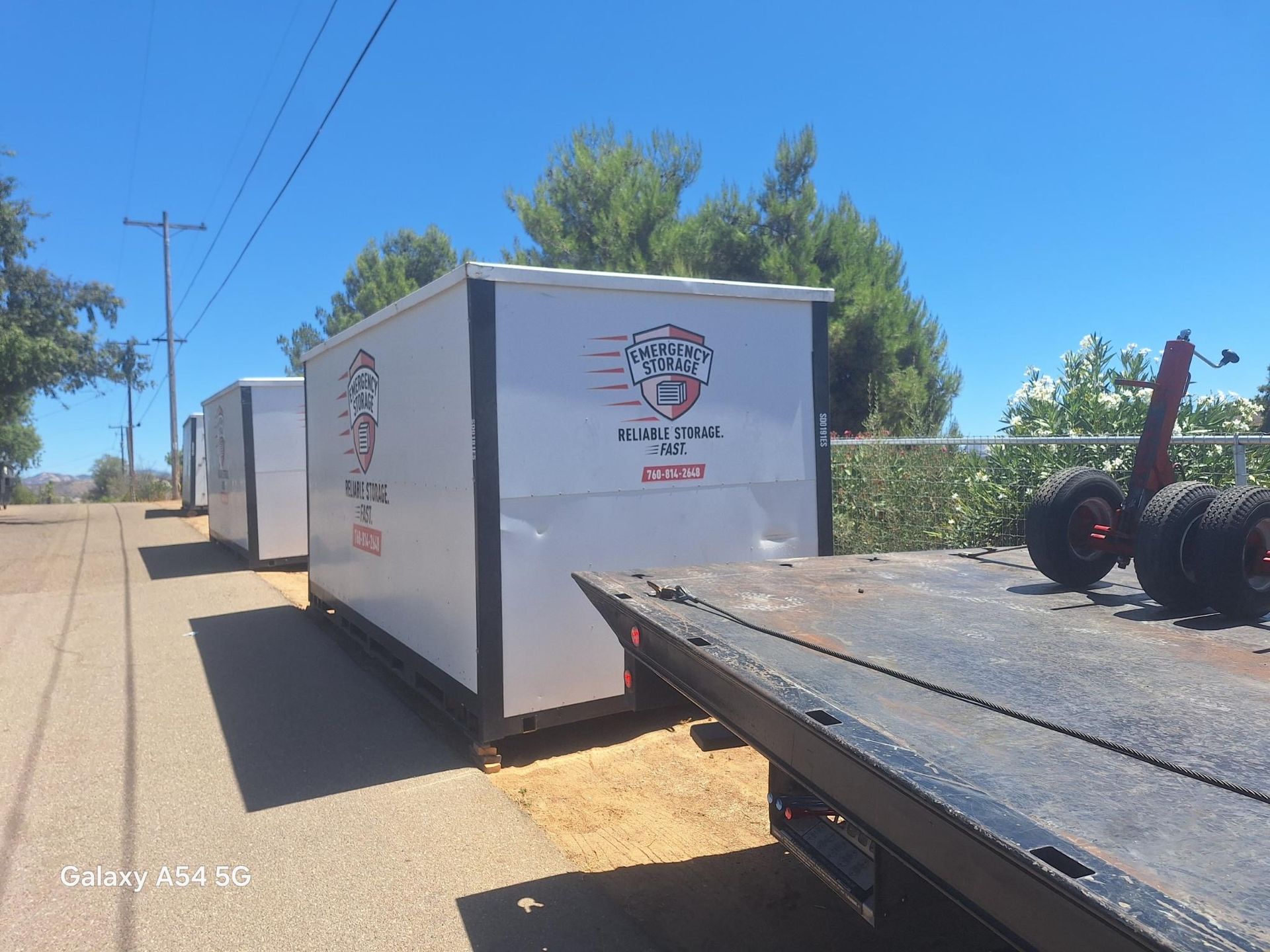
Discover how mobile storage containers can benefit restoration contractors by providing flexibility, security, and on-site convenience for any project.
Learn how Emergency Storage helps restoration contractors protect client valuables with secure, compassionate storage solutions, building trust and supporting emotional recovery.
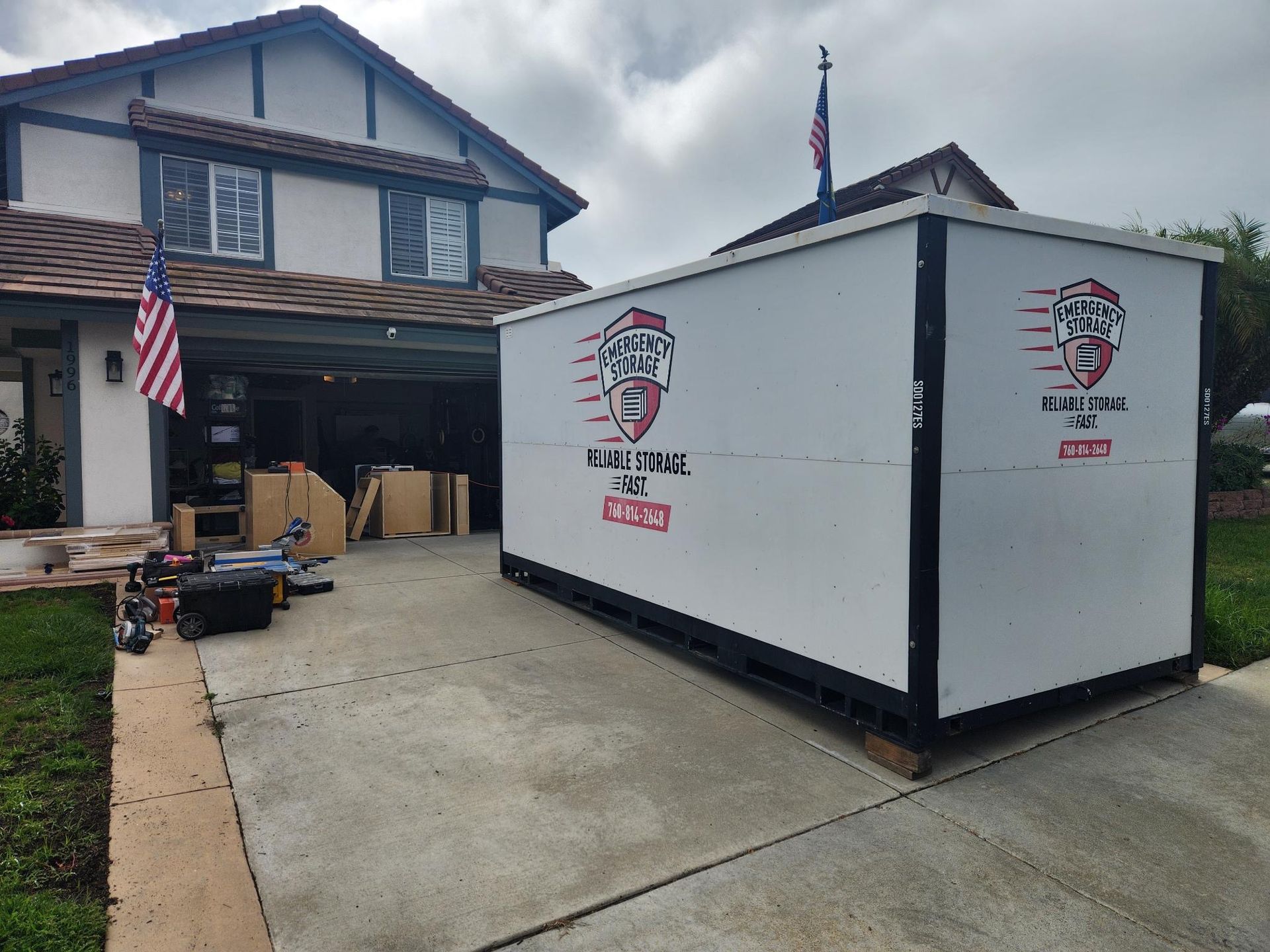
Learn how Emergency Storage enhances job site security and organization for restoration contractors with 24/7 response, fortified containers, and smart delivery. Protect assets and streamline projects.

In today’s world, being prepared for emergencies is essential. Whether it’s a natural disaster or unexpected business disruptions, having a plan can make all the difference. Reliable storage solutions are a key part of any emergency preparedness plan. They can protect valuable items, ensure business continuity, and provide peace of mind.
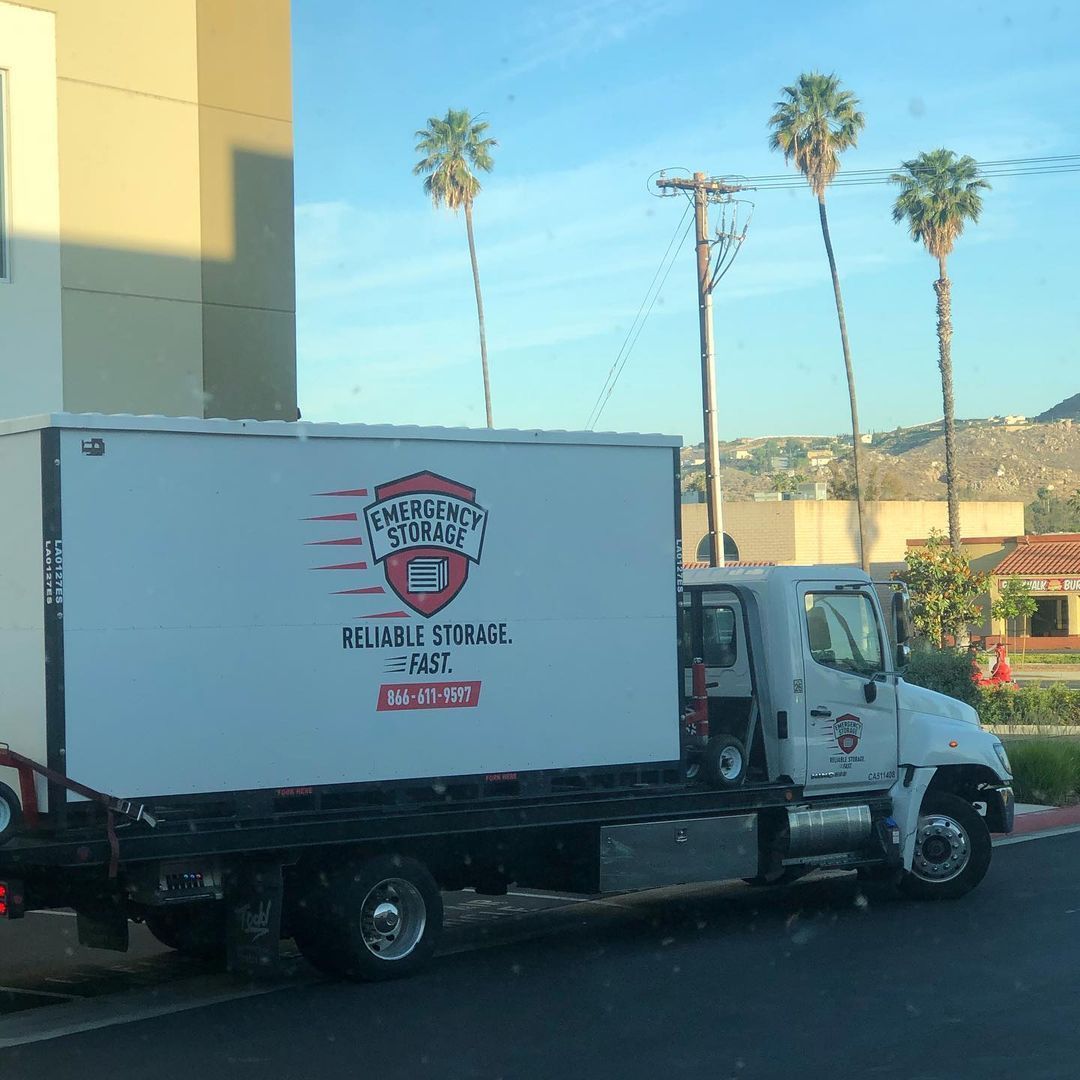
Discover how 24/7 emergency storage solutions ensure operational continuity and boost client trust for restoration contractors in critical situations.